Why Most Branding Fails And Why the Industry Keeps Repeating the Same Mistake
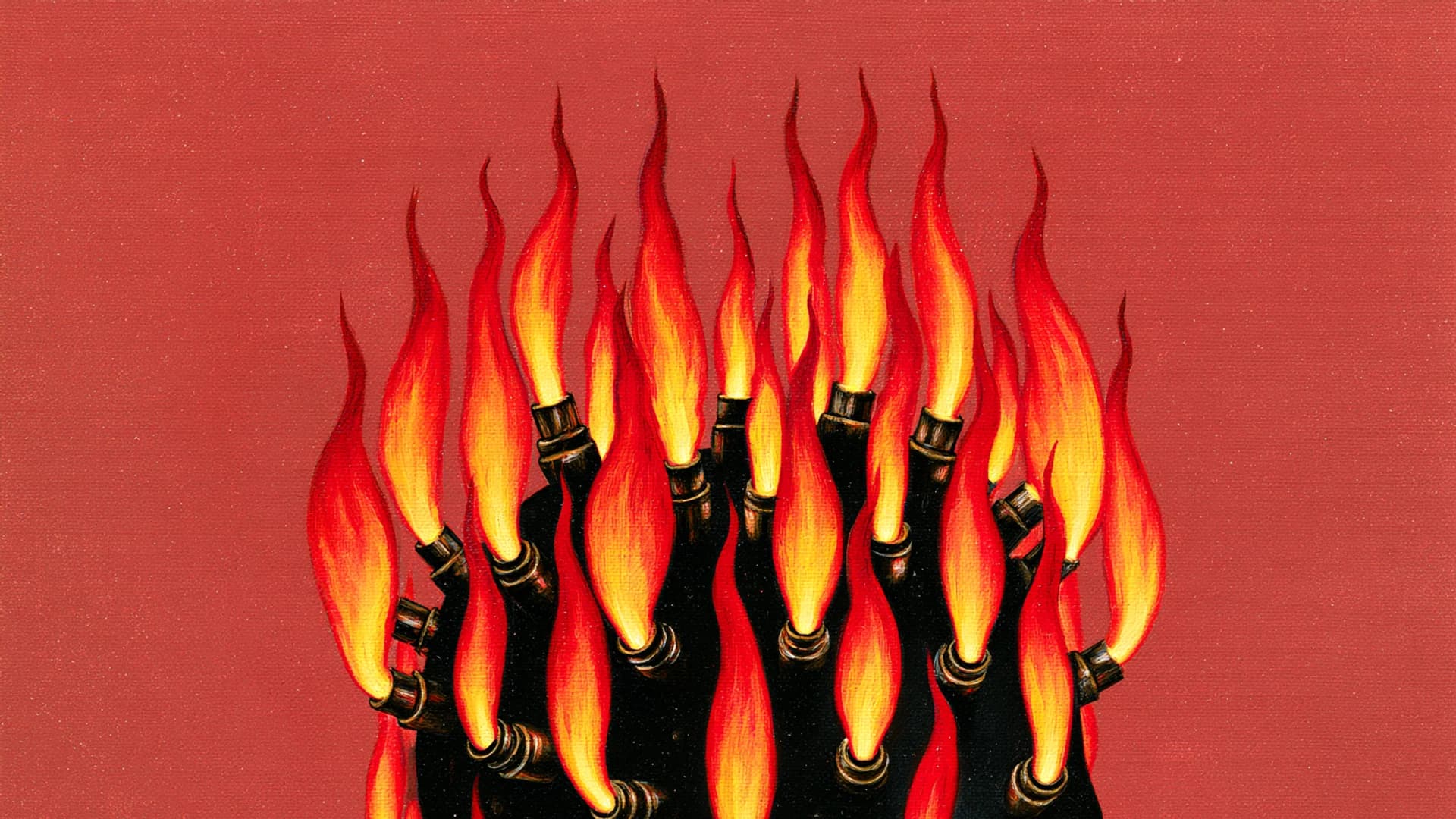
Browse a week of new startup sites and you will see the same costume rotate through different domains: friendly sans, soft gradient, rounded UI, a logo that looks finished before anyone has said what the company believes. Tools are better than they have ever been. Inspiration is free. There are more skilled creatives working now than at any earlier point most of us can remember. The work still feels interchangeable.
That is not a talent shortage. It is what happens when branding starts in the wrong place.
Design is expression, not the foundation
A typical project opens with visuals. A founder hires a designer or an agency, and the first serious conversation drifts toward how the brand should look. Moodboards land in the first week. Typography options appear before the team can name a point of view. Colour debates feel productive because they are concrete. The room can vote on a palette. It cannot vote as easily on why the company should exist beyond the product sheet.
Visual identity is the part people notice first, so the sequence feels rational. It is backwards. Design expresses a brand. It does not invent one. Choosing marks and colours before identity is settled is like picking paint before the engine exists. The surface can look sharp and still sit on nothing powerful underneath.
When the brand later feels forgettable, the first instinct is to blame craft. Maybe the logo needs another pass. Maybe the palette feels too generic. Maybe the site layout could be more distinctive. Those moves are often fine craft. They rarely fix a thinking failure. If leadership has not defined what it stands for, what it refuses, and why its presence in the category should matter beyond selling the thing, designers do what good designers do under thin briefs. They make something that looks modern and competent. The typography is refined. The layout feels professional. The deck photographs well. Underneath there is no spine holding the brand together.
How the clone loop forms
Without that spine, teams look outward. They study companies that already look successful and borrow the visual signals associated with that success. Designers pull from the same trend boards and showcase platforms that define what "current" means this quarter. Friendly sans becomes the default. Soft gradients stand in for innovation. Rounded corners stand in for approachability. None of those choices are evil, and plenty of them are good design in the right context. They become a problem when they substitute for identity instead of expressing one.
Logos absorb the same confusion. Founders treat the mark as the centrepiece of the entire brand, and presentations spiral around geometry, spacing, and clever negative space. Logos matter. They are also widely misunderstood. A logo is a symbol. Symbols only carry weight when they point at something real. You can balance a mark with elegant type and still leave the brand hollow if the idea underneath was never named. The marks people remember did not become powerful because the kerning was perfect on day one. Meaning had to exist before recognition could stick.
When strategy is thin, imitation is the easy path forward. Interchangeable brands are the predictable result. Different company names. The same visual dialect. Buyers feel it even when they cannot articulate it: they have already seen this costume several times that week.
Why deliverables keep winning
The industry reinforces the wrong start because deliverables are easier to sell than belief. A project scoped as logo, colour system, type guidelines, and a brand PDF has a clean end date. Assets are tangible. They fit a production calendar. Clients can open a file and feel finished.
Belief, positioning, and identity are slower. They ask for deeper conversations about purpose and perspective. They ask founders to say what they stand for and what they will not become. That work is harder and sometimes uncomfortable. It does not photograph as neatly as a lockup sheet. So a lot of projects skip it and ship a visual system that looks complete. From a production standpoint the approach makes sense. From a brand standpoint it often fails. A beautiful system without a clear identity behind it rarely becomes memorable. It becomes another well-produced average.
Agencies are not uniquely villainous here. Buyers ask for the tangible package because it feels like progress. Studios deliver what the brief rewards. The loop continues until someone in the room refuses to treat aesthetics as the whole job, and is willing to slow the front of the project long enough for identity to catch up.
Uncover first, then express
The brands that feel inevitable usually reverse the order. They settle identity before design enters the room: what they believe about the category, the problem they will not drop, why the company deserves to exist. Once that clarity is in place, the design process gets easier in a useful way. Design stops inventing a personality under deadline and starts translating one that already exists. Messaging gets sharper because it is rooted in belief rather than marketing filler. Visual choices get braver because purpose, not the season's trend board, is steering them. The brand starts to feel inevitable rather than assembled.
Branding, done seriously, is discovery more than invention. Real companies usually begin with a frustration about how things currently work and a bet about how something should be different. That belief is the foundation. The job is to uncover it and build expression around it. Pretending is expensive. Expressing what is already true is how a brand starts to feel authentic instead of performed.
This matters more as production gets cheap and every platform fills with new launches. Competent surfaces are abundant. Looking good is no longer enough to stand apart. Looking like a specific point of view is. Until more projects treat identity as the foundation and design as the expression, the cycle will keep repeating across industries: careful visuals, modern aesthetics, and brands that fail to stand apart because the identity underneath was never fully defined.
If your branding work keeps restarting at the moodboard, pause the visuals long enough to name the belief. Then let craft express it. For identity-led work, see branding, the methodology, or start a project with an honest note on whether identity is locked, partial, contested, or thin.


Tell us what you're building
Discover. Define. Design. Scale — from ambition to a brand system that can travel.