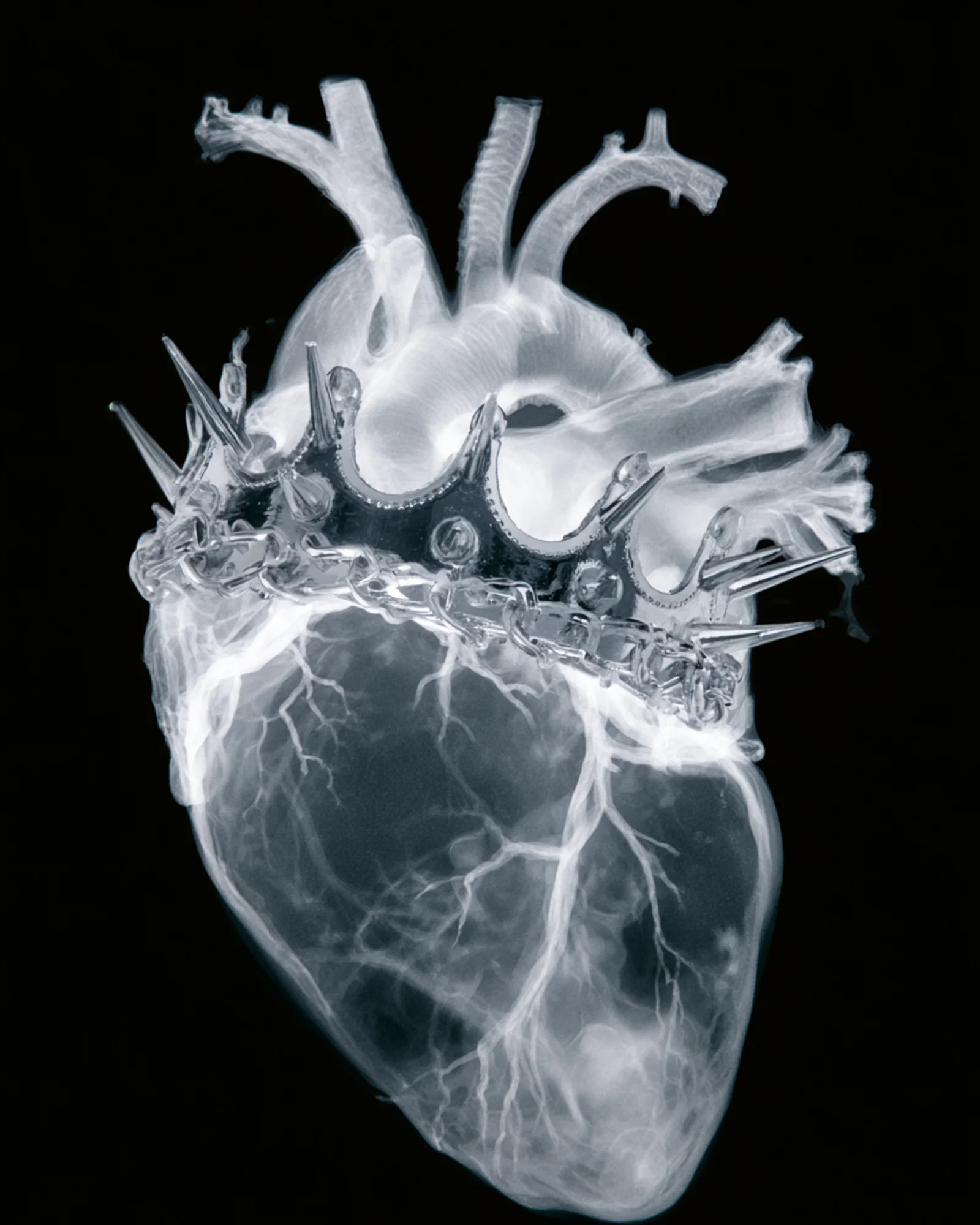
Elon Musk Announces Terafab, and it just hit me like a goddamn lightning bolt.

Over the weekend, Elon Musk said Tesla, SpaceX, and xAI are lining up to build Terafab: a semiconductor gigafactory meant to sit near Giga Texas and eventually produce enough chips for roughly one terawatt of AI compute capacity a year. That number is a company claim, not an independent audit. Even as a target, it is not a modest roadmap slide. It is an attempt to treat silicon supply the way this group has treated batteries, rockets, and factories. If the bottleneck sits between you and the mission, try to own it.
As described, Terafab would be vertically integrated from design through finished chips, under one roof, at a scale that makes ordinary foundry allocation look like a waiting room. Two product lines get talked about in the same breath. One is lean edge-inference silicon for Optimus, robotaxis, and Full Self-Driving work that needs to decide locally without phoning home for every move. The other is radiation-hardened, high-power silicon meant to live in space and feed orbital compute, where solar energy is continuous and land, water, and neighbors stop being the constraint.
I do think the timing is what makes the announcement land. Models keep getting better while specialized compute stays scarce, expensive, and geopolitically fragile. Waiting in line at someone else's fab is a strategy until it isn't. Terafab is Musk's crew saying the demand curve they want for robots on the ground and intelligence in orbit will not be served by leftover capacity. Whether they can build and yield at that ambition is a different question. Semiconductor manufacturing is capital-heavy, unforgiving, and full of ways to burn years, and they do not have decades of fab pedigree. People said similar things about early Gigafactory plans and Starship timelines. Treat the announcement as intent and engineering risk, not as shipped capacity.
What I like, watching from the outside, is less the hype and more the operating move. Three companies with loud, simple missions (sustainable energy and autonomy, becoming multi-planetary, understanding the universe) are treating chip supply as part of the product, not as a vendor problem you escalate when allocation gets weird. Vertical integration here is a feedback-loop bet: collapse the distance between what you need the silicon to do and what you can change next month. If months start replacing years in that loop, the rest of the industry feels it even when they never buy a Terafab chip.
If the hardware shows up, the unlocks are obvious: Optimus fleets less throttled by cloud latency, on-orbit compute that makes Starlink more than a pipe, xAI training on boards designed for the workload instead of whatever was left on a foundry schedule. Those are still futures. The present is a claimed factory, a claimed annual compute target, and a willingness to spend on the order of tens of billions to chase both.
I can't stop smiling at the sheer nerve of it. One terawatt of purpose-built AI silicon a year sounds unserious until you remember how often this group has turned unserious-looking numbers into concrete. The future of AI is still software, models, and judgment. It is also, increasingly, who owns the chips. Terafab is that second sentence said out loud.



Tell us what you're building
Discover. Define. Design. Scale — from ambition to a brand system that can travel.