What Branding Really Is (And Why Most Businesses Get It Wrong)
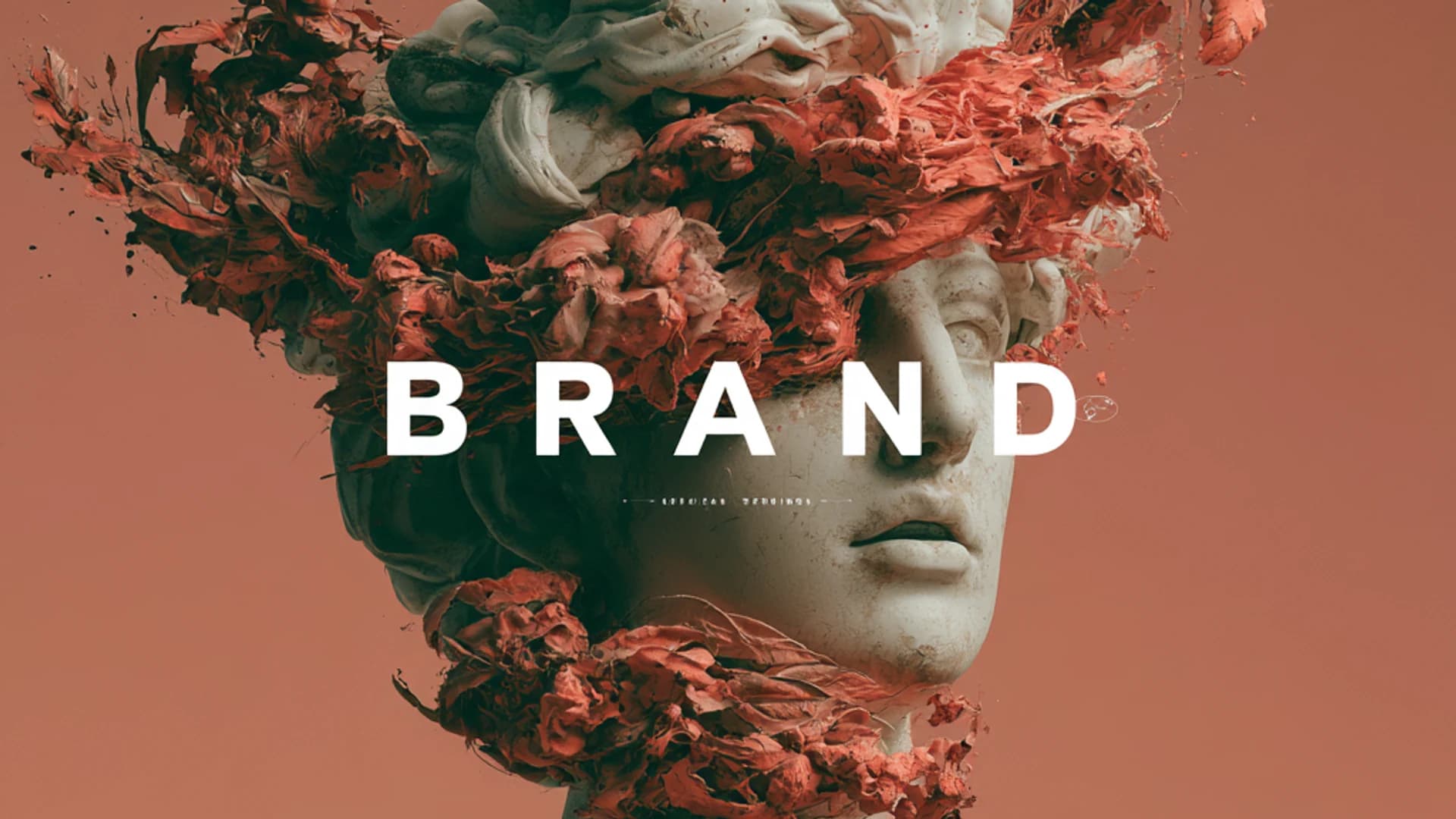
Ask a room what the brand is and the answers arrive fast. Someone points at the logo. Someone else names the palette. A guidelines PDF opens on a laptop. The website gets pulled up as final proof. Then the conversation usually stops, as if the artifacts were the thing itself.
None of those answers is the brand. A logo, a color system, and a site are expressions. Those pieces matter, and they can be done well or badly, but they reflect something deeper than themselves. The brand is the meaning behind the company: the belief system people feel, trust, defend, and return to. It lives in the customer's mind more than it lives in a slide deck.
The industry sold decoration as branding
Over a couple of decades, branding got quietly reduced to aesthetics. Logos, type, mood boards, websites, decks that look expensive. Teams assemble a visual system, founders walk away feeling they have "done branding," and the business still cannot say who it is when the marketing calendar goes quiet.
That is how you get launches that look finished and feel hollow: clean type, modern layouts, professional photography, a site that reads as competent, and still no belief underneath. Visuals can carry tone, but they cannot invent a reason to care if none exists underneath.
Branding, in the useful sense, is identity plus the meaning people attach to it. It is the emotional signal the company sends, and the story someone tells themselves about who you are and what you stand for. That story always starts with a question teams often skip because it is uncomfortable: why does this company exist?
Purpose that is not a slide
When we say purpose, we do not mean a mission sentence written to impress a board. We mean the real reason founders cared enough to build the thing in the first place. What frustration with the world made someone think this had to exist? What belief about the future made years of work feel worth it?
Money is usually the wrong answer for that question. Revenue is an outcome of doing something valuable well. It is a result, not a reason. The answers that hold are more human: belief, ambition, conviction, sometimes anger at how an industry treats people. Strong brands often begin with someone who will not let a particular view of the world go, and who builds a company as a vehicle for that view.
When that belief gets clear enough to use, the company stops improvising personality under deadline. Decisions gain a filter. Messaging stops sounding like category average with better kerning. The work starts behaving like a mission people can recognize, not only a catalog of offerings.
Belief systems you can point at
You can see the pattern in brands that dominate culture without pretending their product is the whole story.
LEGO is not merely a toy company in its own frame. The stated purpose is to inspire and develop the builders of tomorrow, rooted in a belief that imagination and creativity matter in how a child grows. The product is simple plastic bricks. The idea is larger: with a handful of pieces, someone can invent cities, ships, castles, robots, whole worlds that were not there before. Marketing leans into creativity and the joy of making, not a technical tour of ABS plastic. Films, education programs, and parks keep reinforcing the same belief. The bricks are the vehicle; imagination is the offer.
Airbnb could have sold cheaper rooms than hotels. It built around a sharper claim: people should feel they belong anywhere. Travel as human connection, not only standardized hospitality. Stories about hosts, neighborhoods, and local life do more work than amenity lists. The mark and messaging keep returning to belonging. Places to stay are the vehicle; the feeling of belonging is what the brand is selling.
Red Bull sells a drink and markets almost everything else. Extreme sports, ambitious stunts, events that put human performance and risk on stage. Red Bull Stratos is the famous case: Felix Baumgartner's freefall from the edge of space, watched live by millions, with the can barely in the frame. The beverage is the vehicle; the mindset of pushing limits is the brand.
Once you look this way, the pattern is hard to unsee. Cultural brands express belief systems. The product carries the belief into the world. Swap the belief for generic category promises and you are left with decoration that can be copied in weeks.
Why this got harder when polish got cheap
For a long time, shallow branding could still work if the product was decent and the marketing was loud. That bargain is weaker now. Generative tools made competent websites, ads, photography, and campaign drafts available at speed. Appearance quality across the open web is rising. When everyone can produce professional-looking surfaces, polish stops being scarce proof of strategy.
Tools scale output; they do not invent identity. AI amplifies whatever sits behind the brand. A strong idea gets louder. A generic idea spreads sameness faster, dressed as momentum. The ceiling of appearance became a floor of competence. Distinction moves back to meaning, taste, and refusal: who you are, what you will not claim, and what you are willing to own when the campaign calendar goes quiet.
Clarity is the hard part
Teams stall here for a boring reason. These questions demand honesty. They force founders and leadership to name things they may have only felt. Why does this company really exist? What belief drives it? What future is it trying to help create? Who is it not for?
The answers are not always obvious on the first pass. When they are found and locked, the brand gains gravity. People can believe in something specific instead of another business selling a familiar product in a familiar tone. Decoration focuses on how it looks; identity focuses on why it matters. Decoration can be rented. Identity is hard to replicate because it has to be true enough to defend.
Here is a practical test. If a stranger discovered the company tomorrow and asked what the brand actually stands for, would the answer feel clear, specific, and tied to a belief about the world beyond making money? Or would it sound interchangeable with the rest of the category? That difference is not a branding workshop vibe. It is the line between a company that becomes a brand and a company that stays a vendor with a nice site.
Real branding begins when a company discovers who it is, and refuses to decorate its way past that work.
FutureCraft starts branding upstream of the logo and the site for that reason. Uncover the belief, personality, tension, and transformation that already exist inside the business, then let design and digital express them. We call the locked source of truth Brand Soul when we need a name for the artifact; the point is identity before expression, not a workshop souvenir. If you want the methodology next, read Brand Soul. If identity is thin or contested and you are ready to put it first, start with branding or contact with an honest note on whether you have a reason people can believe, or only a surface that looks finished.

Tell us what you're building
Discover. Define. Design. Scale — from ambition to a brand system that can travel.